Compare two manufacturers that both promise quality, reliability, and great customer service. What would make you choose one over the other? In manufacturing marketing, the answers to these questions start with a manufacturer’s ability to inspect products, solve problems, communicate effectively with customers, and meet or exceed commitments. As long as manufacturing marketing presents what occurs and why it has value, these examples give buyers an opportunity to assess a manufacturer’s claims prior to a first sales discussion. I requested input from seven professionals representing manufacturing, marketing, and strategic business development regarding their views on what evidence supports a manufacturer's claims before a first sales discussion. The responses describe the type of proof to present, how to represent it, and when potential buyers should see it.
Show the discipline behind product quality

While a completed product demonstrates some aspect of quality, buyers need additional insight into the capability of a manufacturer to produce consistent quality. Andreas S. Weller, President and Chief Executive Officer of Tecomet, emphasizes the work that happens before the product reaches the end user.
One thing I’ve learned in manufacturing is that customers build trust when they can see the discipline behind the product-not just the finished product itself. I think marketing teams should show more of what happens behind the scenes: how employees approach quality, how problems are identified and solved, and how seriously the company takes continuous improvement. In industries like medical devices or aerospace, showing the people, processes, and culture behind the product can be much more powerful than simply making claims about quality or reliability.
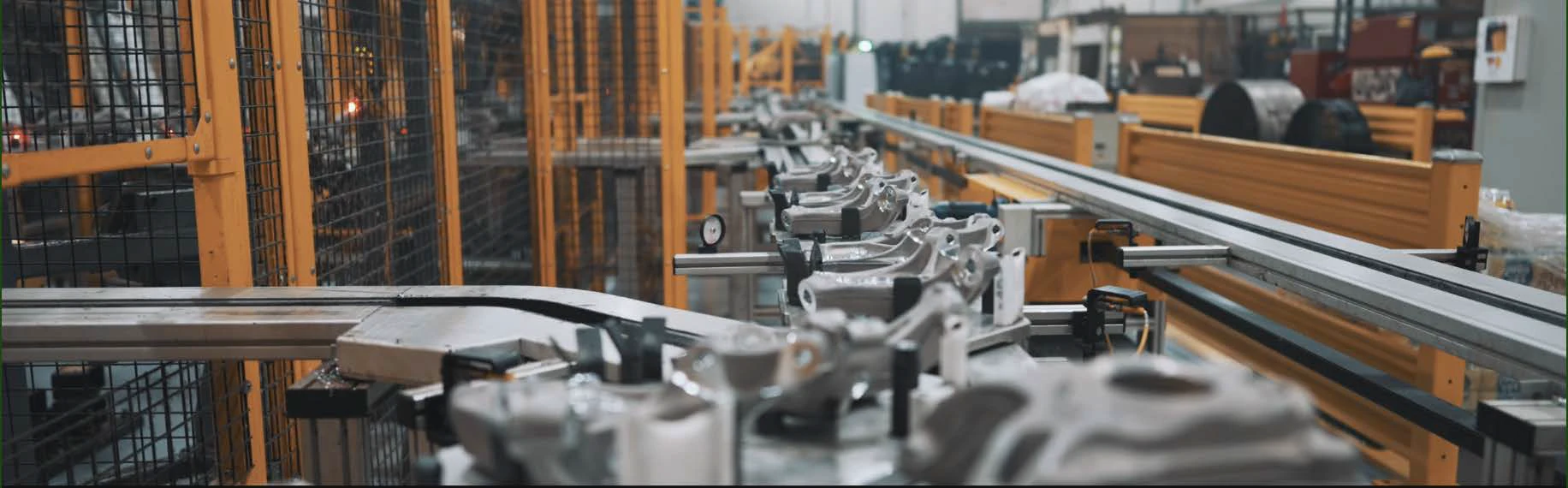
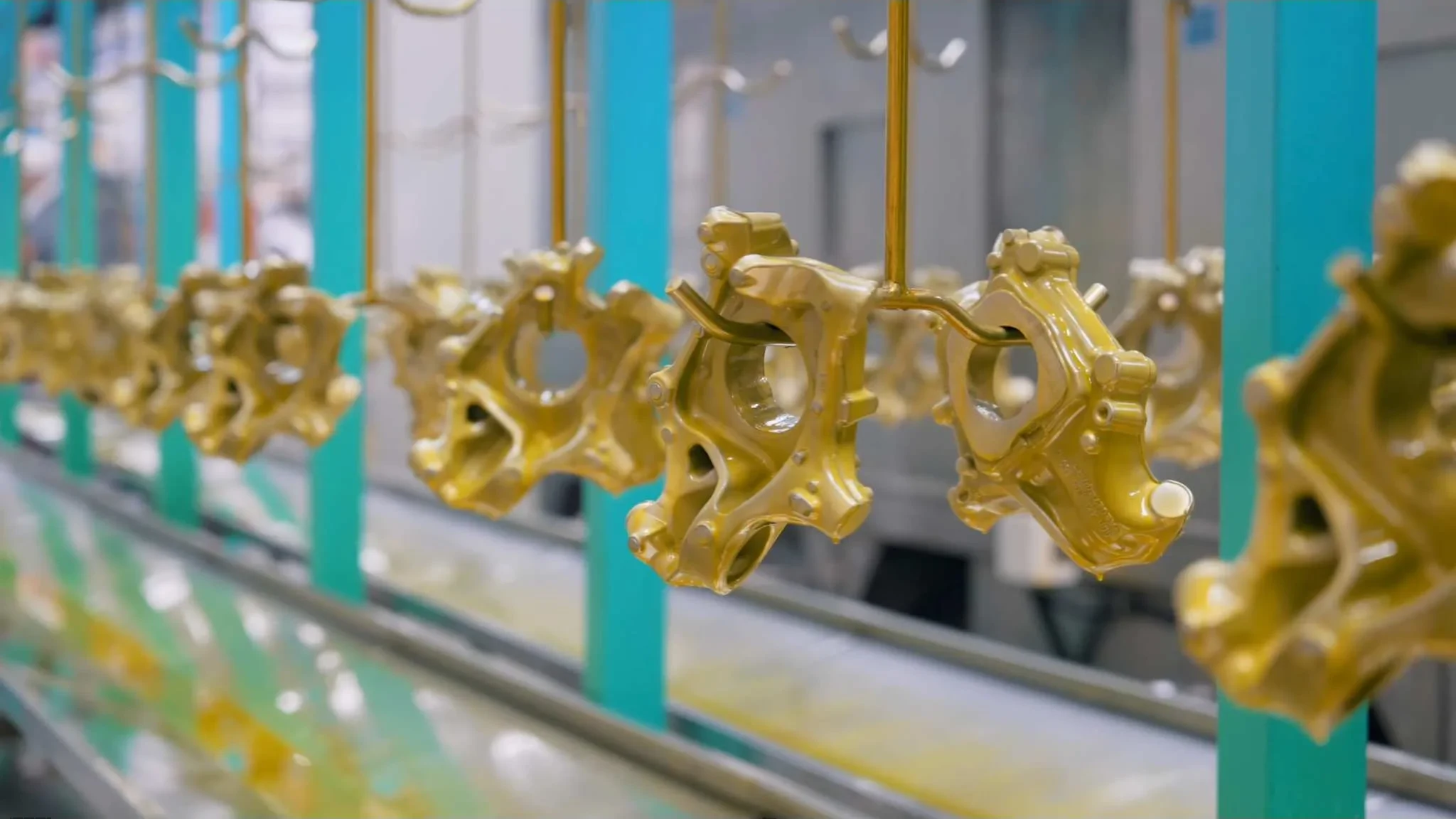
From a marketing standpoint, this suggests a more purposeful approach to photography, video, and written content within the factory setting. An image of an inspection station becomes more valuable if the explanation that accompanies it defines what is inspected and why that inspection is important. The process allows for the image to convey meaning.
Show what happens when there is an issue

Problem-solving represents an alternative method for demonstrating standards. Navin Karwande, Vice President at Reynolds Consumer Products, reviews how employees react when issues arise during production.
For me, one of the best signs of a well-run manufacturing operation is what happens when there is a problem. In a good operation, the people closest to the work understand the process, feel empowered to raise issues, and take ownership of solving them. Problems don’t get hidden or explained away. They get understood, fixed, and used as an opportunity to make the process better.
Customers rarely get to see that. But if I see a plant where people openly talk about what isn’t working and what they are doing about it, I have a lot of confidence in the quality of what leaves that plant.
Approved documentation of an employee identifying an issue, a team researching the issue, and the team improving a process can illustrate what continuous improvement is in real-world terms. The most important aspects of this demonstration are the action taken and how it impacts the customer. This provides a buyer with tangible evidence upon which they can base their assessment.
Make reliability part of the customer experience

How a manufacturer addresses issues internally should connect to how it communicates those same issues externally. Erin House, Vice President of Marketing at MRPC, describes reliability as a function of the customer relationship.
Quality and delivery are table stakes for CMOs. It’s our job to build and deliver components and devices to OEMs when they need them and within specification. Customers will make decisions based on their experience with you, your tendency to communicate early and often, anticipate roadblocks and help them solve problems proactively. In the med device contract manufacturing world, where OEMs are making a commitment and it is difficult to transfer work, our reputations are built and proven through practice.
It’s inevitable that CMOs run into delivery roadblocks. If they are technically savvy problem solvers who are customer-focused, they will work together with the customer to find solutions that help the OEM.
Erin provided another important component to Navin's idea: while a process improvement is relevant to a customer, so too is keeping the customer informed. A customer-approved account of an expected impediment and a coordinated effort to resolve it can assist a prospective buyer in determining what it would be like to work with the manufacturer.
Let customers provide evidence

There is the manufacturer's explanation of events; then there is the experience of the customer. Carmen Ackerman, Vice President of Membership Services & Community Engagement at the Orange Bowl Committee, illustrates how stories told by the manufacturer and third-party evidence can be used to substantiate claims made by a brand.
A great marketing plan has many layers. When a brand conveys its message and the essence of what it represents, it must carefully consider each element of its marketing campaigns. The colors, images, typography, and messages used in its advertising and collateral, the tone on its varied social media platforms, the ease of navigation through web portals, and so on.
But perhaps the most powerful lies in the brand’s storytelling and the ability to articulate clearly the value it provides for its audience. Most importantly, a brand that claims to offer quality and reliability should show evidence that supports that promise.
Weaving in third-party endorsements from customers, guests, clients, and general users of a brand is arguably the most effective tool for confirming that a product will perform as advertised and meet the expectations of the buyer. Testimonials, reviews, ratings, case studies, and real examples of customer experiences can make a brand’s claims more credible.
Brand reliability can also be reinforced even when things don’t go as planned. When a product or service fails, the way a company communicates with the customer, takes responsibility, and resolves the issue can reinforce its commitment to quality. Ultimately, marketing becomes more believable when a brand’s promises are supported by real customer experience and consistent evidence of the standards it claims to uphold.
Documentation of a manufacturing case study will enable a buyer to understand the customer's challenge, work performed, and results. If measurable data exists from an activity, document what was measured and for what duration. Documentation of testimonials will become even more meaningful when an account of the experiences surrounding the praise exists. By providing specifics, readers will better be able to determine if that experience relates to their own needs.
Make every touchpoint support the promise

It is likely that a buyer will interact with the company through multiple channels prior to interacting with someone personally. Jacqueline Del Fa, Senior Manager, Global Metasearch Campaign Management at Amadeus, provides insight into how all interactions impact a buyer's perception.
Brands need to earn their potential consumers' trust by commanding their industry/category through dominance across organic and paid channels, establishing strong review ratings across platforms and finally, ensuring their websites have content that is both relevant and transparent. Every touchpoint, from ad/blog/post copy to how you respond to online comments of other consumers, to reviews, signals either competence or risk to a prospect evaluating you against competitors.
I believe that her viewpoint can be applied by reviewing whether each interaction assists in answering the buyer's questions. A LinkedIn posting about quality should link back to quality-related evidence presented on the website. Each capability page should clearly articulate what capabilities exist. Together, those interactions should facilitate a buyer forming an overall view of who the manufacturer is and what it can do.
Put proof where buyers look

Even useful evidence can go unnoticed if placed in locations that are hard to access. Nathan Pichette, Principal Strategist & Founder of Reticle Digital, emphasizes the importance of the presentation and context of evidence.
A manufacturer calling itself high quality is expected. Nobody advertises 'mediocre and unreliable.' Proof lands when it comes from something harder to dismiss: a named customer, a measurable result, a warranty you actually have to honor. Put that proof where buyers are already doing their homework. A peer's recommendation, a review, a case study delivered at the right time in the evaluation process. Not three clicks deep in a brochure written by the same people selling the product. The evidence matters, but the context a buyer meets it in decides whether they believe it.
Nathan's point ties this article back to the customer journey. A person searching for potential suppliers may require a concise overview of capabilities from a manufacturer. A person evaluating specific applications may require closely related case studies or explanations of quality processes. Linking related evidence from pages addressing similar questions can provide the buyer with continued opportunities for assessment.
Start the right conversation with honest promises

Associate Professor, Department of Marketing & Logistics
Florida International University
An honest account by the company of its capabilities will also require evidence supporting the claims made. Suleyman Bahadir, Associate Professor in the Department of Marketing & Logistics at Florida International University (FIU), connects this topic to competitive value and customer fit.
During the pre-first sales conversation period I think that the transparency about what you could deliver to the customer should be the central focus:
- How does your product/service perform better than the competitors?
- How can your product/service add value to the customer's business?
The information about these questions should be transparent and honest. The goal should not be just about convincing the customer to have that first sales conversation, but it should be about starting a conversation that concludes with a sale. You might get the first sales conversation by overpromising but that will be a waste of time once the customer sees through that.
Therefore, a big part of this process is about targeting customers where your offering can be competitive.
Together, all of the prior six perspectives have a business basis. Customer experiences through stories, customer evidence, and digital interactions should assist buyers in understanding if the manufacturer’s strengths meet their requirements. Marketing can define that fit, for both the buyer and sales team, before the two parties are involved in their first conversation, allowing both parties a more productive starting point.
Give buyers evidence they can evaluate
Together, these perspectives show that the connection between the work completed and how it is communicated is critical to determining manufacturing credibility. Andreas and Navin locate evidence of operational quality. Erin demonstrates how that same quality affects the customer experience. Carmen illustrates how customer feedback may aid in validating the promise that was initially made, while Jacqueline and Nathan discuss the communication channels and contexts in which customers receive evidence regarding product or service claims. Bahadir offers a way to assess whether the message accurately communicates value to customers for whom the company can offer products or services.
In my opinion, manufacturing marketers should collaborate closely with operations, quality control, sales, and customers to develop a shared understanding of the connection between the work completed and how it is presented to customers. It is then up to the marketer to select appropriate examples and illustrate to the buyer why such examples are important. Such collaboration transforms content development into a new type of inquiry: What do buyers need to know about our company so we can be evaluated fairly? Your marketing should give buyers a clear path from your claims to your evidence.
Begin by selecting three statements that appear on your company’s website. For each statement, determine whether buyers can find evidence supporting that claim. Identify the question that the claim answers for potential buyers and where they would most likely encounter that evidence during their evaluation process. If there is no supporting evidence for a particular claim, speak with individuals who are most directly responsible for completing the work described within that claim. If there is evidence supporting a claim but it cannot be easily found by the buyer, move that evidence closer to the respective claim.